
Optimal Timing for Storm Restorations
Storm restorations are most effectively performed during specific times of the year when weather conditions are favorable. The optimal period generally falls outside of peak storm seasons to ensure safety and quality of work. Planning restoration projects during calmer months minimizes disruptions and allows for thorough repairs.
These seasons often see increased storm activity, making it a critical time for preparations and repairs before peak storm season.
Post-storm seasons are ideal for restoration work, allowing repairs to be completed before winter weather sets in.
Winter months typically see fewer storms, providing a window for detailed and less rushed restoration projects.
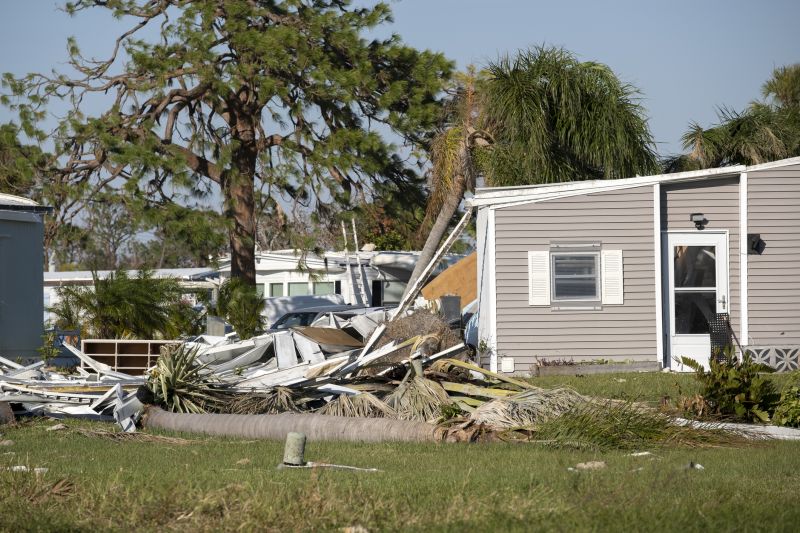
Evaluating damage after storms is crucial for planning restoration efforts.

Securing structures prior to storms reduces damage and facilitates faster restoration.
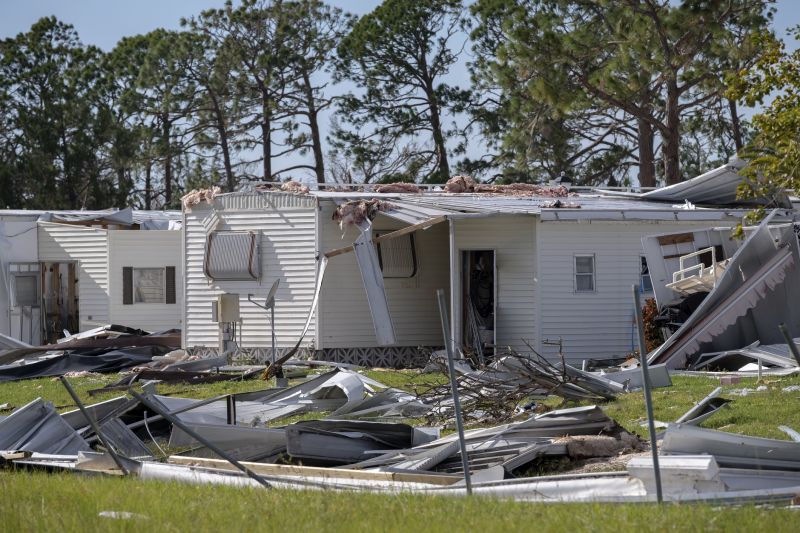
Restoration work involves repairing roofs, siding, and other structural elements affected by storms.
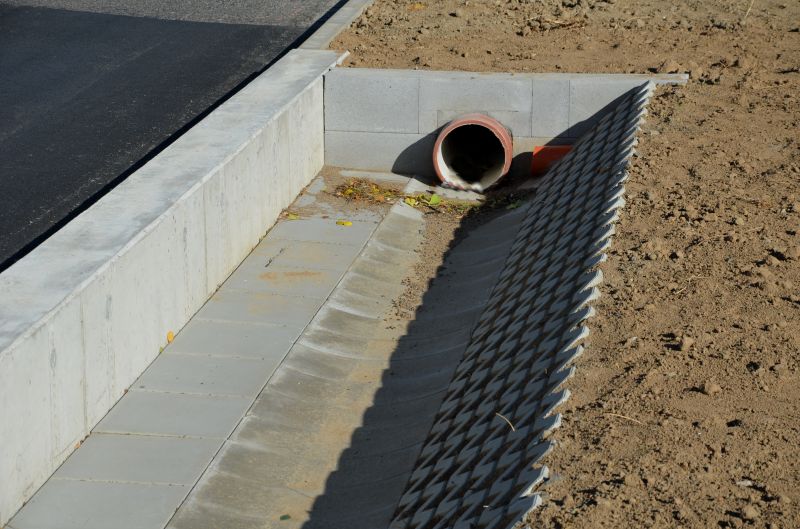
Ways to make Storm Restorations work in tight or awkward layouts.
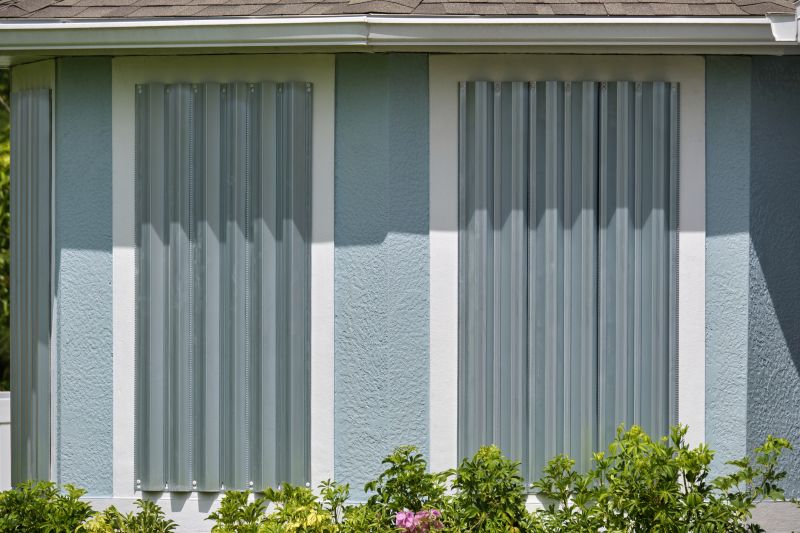
Popular materials for Storm Restorations and why they hold up over time.
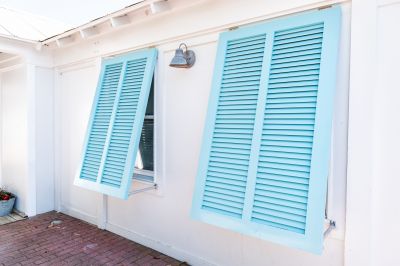
Simple add-ons that improve Storm Restorations without blowing the budget.

High-end options that actually feel worth it for Storm Restorations.
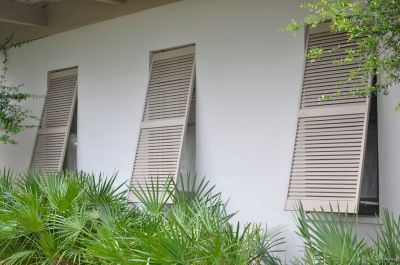
Finishes and colors that play nicely with Storm Restorations.
Storm restorations involve repairing and restoring structures damaged by severe weather events such as high winds, hail, and heavy rain. These efforts are vital for maintaining the integrity of buildings and ensuring safety. Data indicates that timely restoration can significantly reduce long-term repair costs and prevent further damage.
Statistics show that the majority of storm-related damages occur during specific seasons, emphasizing the importance of scheduling restorations during favorable weather conditions. Proper planning and execution during these times can lead to more effective and efficient repairs, minimizing downtime and exposure to additional weather risks.
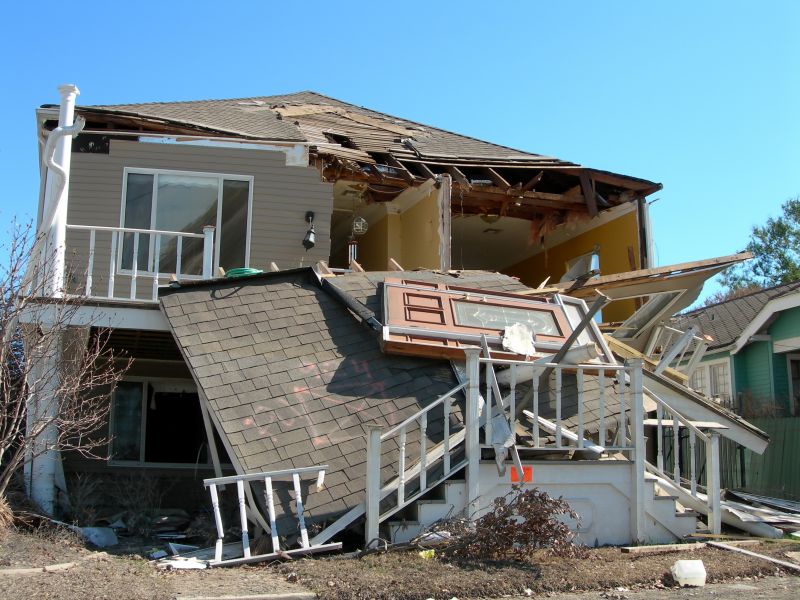
Restoring roofs and siding after storms to prevent further issues.

Rapid response teams assess and address storm damage promptly.
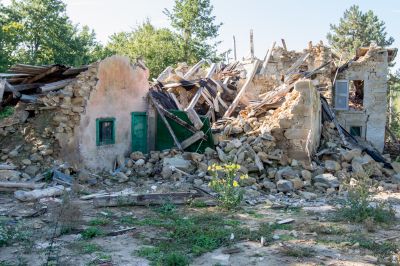
Strengthening vulnerable areas to withstand future storms.

Ensuring repairs meet safety and quality standards.

Little measurements that prevent headaches on Storm Restorations day.

A 60-second routine that keeps Storm Restorations looking new.
| Season | Optimal Restoration Timing |
|---|---|
| Spring | Begin assessments and preparations before storm season peaks. |
| Summer | Perform urgent repairs and storm response activities. |
| Fall | Complete major restorations before winter weather. |
| Winter | Focus on detailed repairs during low storm activity. |
Choosing the right time for storm restorations ensures safety, efficiency, and quality. Proper scheduling aligned with seasonal weather patterns can improve outcomes and reduce costs. It is recommended to plan restorations during periods of stable weather to facilitate comprehensive repairs and inspections.
Interested parties are encouraged to contact for more information on scheduling storm restoration projects and assessing specific needs. Filling out the contact form can provide tailored guidance and support for storm recovery efforts.